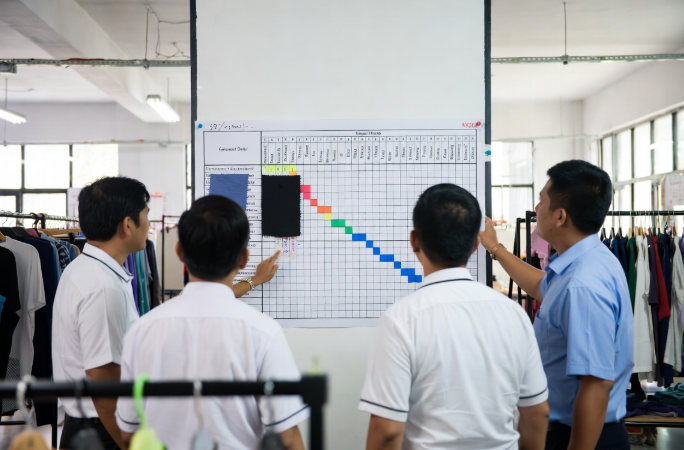
The proper strategies to minimize production delays in fashion manufacturing could be the difference between meeting or exceeding deadlines and ending up with rush shipments or lost retail opportunities. Delays in apparel can occur when trends change rapidly and need to be turned around in as little time as possible, and may be caused by problems that occur before the first stitch is sewn. Brands and factories that can pinpoint the entire lifecycle, find solutions at the root cause and institute realistic buffers experience much greater on-time delivery.
This guide explores how delays can arise during the process of making garments and provides simple field-proven solutions to avoid delays. It builds on practical experience from a real life supply chain from sampling, sourcing and bulk runs, and highlights what production teams and brands can do in partnership to help stabilise lead times and safeguard launch schedules.
Understand Where Delays Really Come From in Fashion Production
The majority of delays in fashion manufacturing can be predicted when considering the entire fashion manufacturing process. They usually don’t begin in the sewing room. Rather than that though, they accumulate from deficient upstream planning, material issues, and branded/factory expectations.
Pre-Production and Development Delays (Before Sewing Starts)
There are many timelines that start out wrong. Rough draft tech packs, sampling multiple times, slow color or print approvals, late design changes, and so on all delay the process. Every additional sample iteration or spec change squeezes the window for bulk production, even if there is factory capacity available. Companies that see pre-production as a formality risk to have quality issues and shortened sewing times later.
Material Sourcing and Supply Chain Bottlenecks
Often the fabric, trims, and accessories are on the critical path. Bookings and/or knitting/weaving delays, dyeing, lab dips, and/or trim production delays can delay cutting. Common problems are late fabric approvals, single sourcing, customs delays, or unexpected fabric shortages. If the material is not received within a week or two, the entire production schedule is thrown off.
Production Planning, Capacity, and Line Inefficiencies
In the factory, the lines are often overbooked, schedules are not properly planned, style changes are frequent, and rework occurs. When plans are based on optimistic capacity figure and not on the actual capacity and line performance, delays will be almost inevitable. Small issues can become big delays due to inefficient workflows and inflexibility.
Fix Your Pre-Production First: Tech Packs, Samples, and Approvals
Pre-production work is the biggest lever to help minimise production delay in fashion production. Once this is done right, then it’s time for all of the following.
Lock Clear Tech Packs and Specs Early
A major cause of knock-on delays is incomplete tech packs, or often, tech packs that are continually being updated. Without good specifications, factories cannot accurately order materials and prepare patterns. Utilize standardized templates that prescribe measurements, tolerances, construction and quality specifications in advance. Minimize changes to the design after the samples have been approved as PP.
Control Sampling Rounds with Structured Feedback
The additional time needed for endless sampling loops is weeks. Establish clear stages (proto, fit, PP) with clear deadlines and combined feedback. Don’t send last-minute emails with many comments on them.Do not email with a lot of annotations around many pictures. Ensure that each round results in a “approve / rework / reject” and maintain the momentum.
Decide Fabrics, Colors, and Prints Before You Promise Launch Dates
To allow mills and printers sufficient planning time, it will be helpful to lock base fabric, colors and key embellishments early. Use in-stock or program fabrics when time is critical. Color and print are a last minute hassle that can add weeks to the process.

Secure Materials and Strengthen Your Sourcing Plan
Many garment production lead times are determined by the availability of materials. This piece of the chain is stable, so there is no cascading delay.
Book Fabrics and Trims Early, with Realistic Lead Times
Ensure fabric characteristics, colours and trims are specified and verified before placing bulk purchase orders. Request realistic, not best case, lead times from suppliers that can be based on seasonal orders. The sale of yarn, knitting, dyeing and trims have typical windows that depend on complexity and market conditions; plan accordingly.
Use Backup Options and Diversified Suppliers
Prevent relying on a single source for important items. Keep alternative fabrics or trims that have been approved and put in place and keep track of backup suppliers. Having two different sources for certain parts or hero styles can give added flexibility if one source has an issue.
Improve Supply Chain Visibility and Data Sharing
Keep teams fully informed of material readiness with regular status updates from suppliers, so they can adapt accordingly. Shared tracking sheets or basic digital tools enable earlier visibility of problems such as lab dip re-runs so that time can be taken to respond to problems rather than react to them when lines should be running.
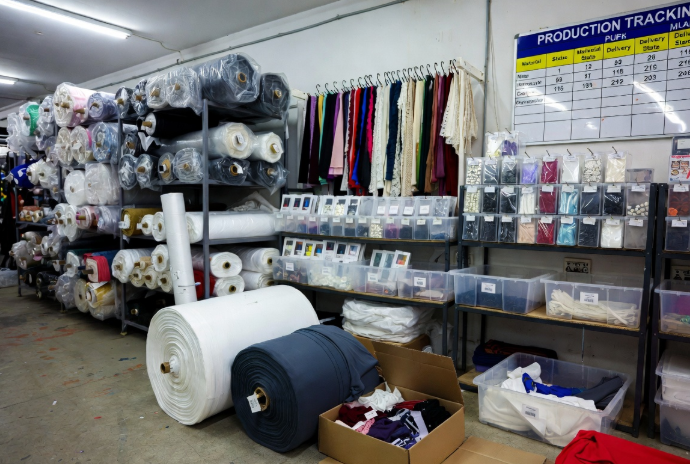
Plan Production with Real Capacity and Lean Principles
Divide up lead time into checkpoints and add buffers for predicted risks, rather than assuming it is a number.
Build a Realistic, Stage-by-Stage Production Timeline
Idle time is the result of frequent style changes. Classify styles; pre-prepare pattern and trim; utilise quick change over techniques. Any reduction in set up time, no matter how small, can greatly increase throughput and schedule reliability.
Reduce Setup and Changeover Times on the Line
Frequent style switches cause idle time. Group similar styles, pre-prepare patterns and trims, and apply quick changeover techniques. Even modest improvements in setup time can significantly boost throughput and schedule reliability.
Improve Workflow, Layout, and Workforce Flexibility
Design lines for minimum unnecessary movement, cross-training of operators and use modular teams. Simple adjustments in task/cycle balance or workspace reconfiguration can often bring significant improvements in output stability.
Use Technology and Digital Tracking to Catch Delays Early
Tools that are digital enable groups to identify problems and solve them before everything goes wrong.
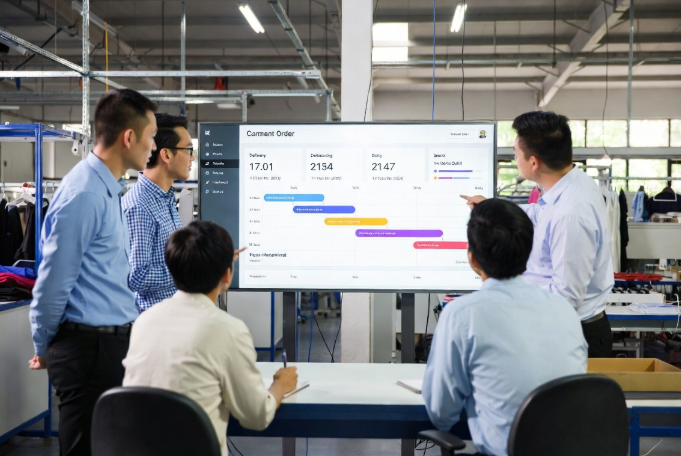
Digital Production Tracking and Milestone Dashboards
Real time tracking of order status, material receipts, production status and shipment dates on shared dashboards or platforms help for early intervention. Missed milestones will trigger an alert to reallocated some capacity or to adjust the schedule when there is still time.
Standardized Approval Workflows (Samples, Lab Dips, Prints)
Digital workflows with clear tasks, deadlines and status tracking minimize confusion and wasted time. Set sign off criteria before the project starts, particularly if several stakeholders are involved – across brands and factories.
Strengthen Communication and Governance with Your Manufacturers
Clear and consistent communication helps to avoid issues escalating into delays.
Set Clear Timelines, Responsibilities, and Escalation Paths
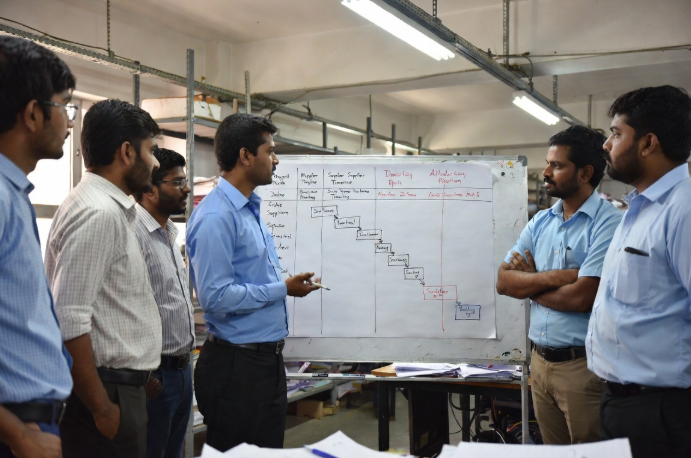
Provide a documented critical path with responsibilities for each milestone Schedule frequent status, risk and next steps meetings instead of ad hoc messages.
Encourage Early Flagging of Risks, Not Last-Minute Bad News
Establish a culture of early detection of potential problems by factories. Reward openness about the plan and let the plan be adjusted if necessary without taking immediate blame. This will typically stop larger problems from developing in the future.
Build Buffers and Backup Plans into Your Calendar
There is bound to be some variation in fashion production. It is protected by smart buffers.
Time Buffers for High-Risk Items and Seasons
Plan additional contingency time for complex styles, new fabric, printing, or during peak seasons. The larger margins around known bottlenecks, such as fabric development or new supplier onboarding are particularly useful to Hero products.
Dual Sourcing and Tiered Launch Strategies
Dual sourcing of critical products and/or staging of launches (for instance online first, then retail). Not all styles require the same level of redundancy; products with a high priority should have more robust contingency plans.
Practical Checklist: Keeping Your Next Fashion Production on Time
Apply this checklist to speed up fashion production by avoiding production delays when planning the new orders.
Pre-Production, Materials, and Planning Questions to Ask
Pre-production:
- Do tech packs have all the items, details and are signed off?
- What is the number of sampling rounds and when are they?
- Have approvals with clear responsibilities?
Materials:
- Are all fabrics and trims booked with reasonable lead times?
- Are there backup plans that have been approved?
- Are lab dips, strike-offs and tests planned?
Planning:
- Does it have a comprehensive timeline of milestones and have enough buffer time?
- Has there been any provision for realistic changeover and efficiency data in the capacity plan?
Tracking:
- So how will we get real-time visibility?
- When will we revisit risks and modify plans?
To minimize delays in production, it is essential to maintain discipline in the pre-production, realistic material and capacity planning, strong communication, and proactive monitoring. Partner brands and factories achieve more predictable lead times and less crises later.