Fashion brands, sourcing managers, and private label buyers need to know how to negotiate with the clothing factories, and get better prices, MOQs, lead times, and better terms without hurting the brand, or the factories. A lot of new brands take the first bid simply because they are unsure about it or bid too competitively and end up losing out on future business. The first step to effective negotiating begins with preparation, understanding the factory’s point of view, and approaching negotiations as a partnership and not an adversarial battle.
The book presents a step-by-step guide to formulating the practical steps based on actual experience in apparel production. You will get insight into how factories price and risk, what is movable, and how to communicate that will create trust and get better deals.
Prepare Before You Talk: Know Your Numbers and the Market
What makes a good negotiation is not just the first email or video conference, it starts long before that. Buyers who arrive with information, will be respected by factories.
Research Typical Prices, MOQs, and Costs for Your Product
The first step is to collect market data. Get 3-4 similar factories quotes from the region where you wish to do business, for example, China, Vietnam or India, for similar garments. Research public resources, trade data and previous orders to gain an understanding of realistic pricing of your style, fabric and order quantities. This information provides you with realistic points of reference rather than speculation.
Understand Your Own Constraints: Target Price, Volume, and Timeline
Set your target landed cost, realistic start volume and must-hit launch dates in the beginning. Make a distinction between what is ‘nice’ and what is ‘necessary’. For instance, if it means you’ll have a bit more time for delivery, but get a better unit price or fewer color choices, you could take that.
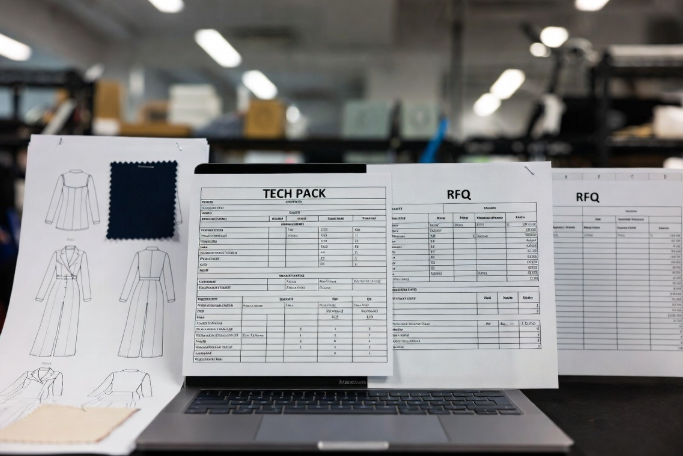
Get Your Tech Pack and RFQ in Order
Unspecific requests lead to unspecific (and higher) quotes. Include full tech packs including measurements, construction notes, quality requirements, size/colour breakdowns and preferred Incoterms. With clear documentation, factories are better able to accurately price and decrease back-and-forth that has a negative impact on the price.
Learn How Factories Think About Price, MOQ, and Risk
Factories have narrow profit margins and actual restrictions. Knowing their side helps you to negotiate more effectively.
Why Factories Set MOQs and Guard Margins
MOQs include minimums from fabric / trim sources, machine setup time and overhead. Margins safeguard against issues such as defects, cancelations, or currency variations. Trying to negotiate lower MOQs or lower prices increases their risk or that they are not paid as much per piece, which they will only do if you can make them some concessions, such as agreeing to a lower MOQ or design changes.
What Is Usually Flexible and What Is Not
Hard constraints are the minimum fabric upstream and the profit margin. More accommodating are colour or style mixing in one fabric booking, some price flexibility in volume or simpler specs, flexibility on terms and conditions after reliability has been proven and any fine tweaks to lead time when calendars happen to align. Target your energy towards realistic leveraging.
Negotiate Price with Data, Not Guesswork
It is best to have discussions about price rather than demands that have been grounded in specifics.
Ask for a Cost Breakdown and Discuss Components
politely ask them to break down the cost and include the cost of fabric, trims, CMT labour, printing/embroidery, overhead and margin. This demonstrates the seriousness and indicates where savings may be made, for example by altering weights of fabric or simplifying the complexity of the trim.
Use Volume, Simplicity, or Future Orders as Levers
Provide value-added returns: increase volume, make multi-season contracts or provide design changes to simplify production. Place an order and include an order test as a realistic prediction of reorders.
Compare Quotes Without Playing Factories Against Each Other Unfairly
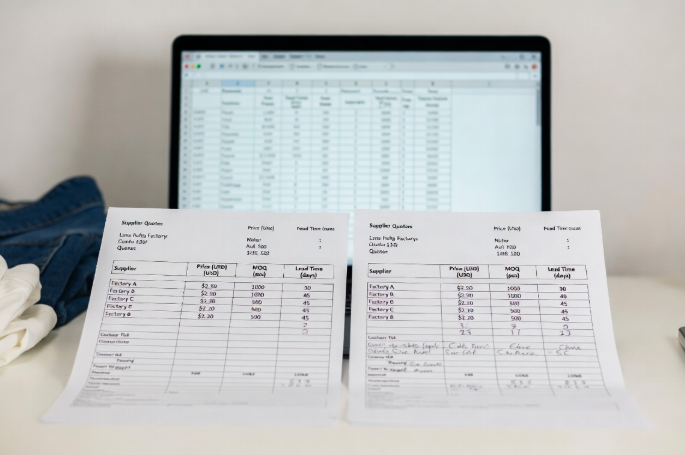
Determine the reasonableness by using 2-3 similar quotes. Express it as a team: “We’ve noticed that similar styles fall somewhere between the X and Y price range.” Can we simplify the design and/or expand the volume, and still get closer?” Don’t give out exact quotes from competitors in a manner that undermines trust.
Negotiate MOQ Without Destroying Unit Economics
For emerging brands, MOQ is the biggest challenge.
Tactics to Reduce MOQ (and What You Give in Return)
Typical methods are paying a higher price per unit for a lower volume, paying up front or paying for some fabric and setup, or combining styles. One example is a price increase from 500 to 300 pieces, which is a 10-15% unit price increase – and it is well worth testing the market in this way.
Mixing Colors, Sizes, or Styles Under One Fabric MOQ
Ask if the MOQ is per style, color or base fabric. Sometimes, two or more styles that are related are mixed in a single dye lot in a factory.
Use Test Orders and Proof of Demand to Gain Flexibility
Recommend a conservative test order that will establish reliability. Postpone pre-order information or sales statistics until after to defend further cuts. Factories become more flexible to partners that demonstrate growth potential.
Go Beyond Price: Terms, Lead Times, and Added Value
The deal is up for negotiation as well.
Payment Terms and Risk Sharing
New buyers generally make a down payment of 30-50% plus the rest before shipment. As orders are placed successfully and trust is gained, negotiate for nominal deposits, milestone payments or whatever it takes to strike a balance. Don’t ask for 100% post delivery on just the first orders.
Negotiating Lead Times and Production Priority
Sync up early with factory calendars. Buy in bulk and/or for a nominal fee to get true rushes. Un compensated demands that are aggressive are bad for relationships.
Sample Fees, Defect Handling, and Extras
Refund sample fees, clearer defect policies and even small packaging upgrades as part of the package on bulk orders. Have it in writing.

Communication Style: How to Build Trust So Negotiation Actually Works
The flexibility that is offered, a lot of the time depends on how it’s communicated.
Be Clear, Respectful, and Responsive
Be able to give instant answers, give structured feedback and follow up important points with phone or video calls, and then write.
Frame Negotiation as Partnership, Not Combat
Respectful and realistic partners expand the factories for “if this first order works well, we have reorders planned next season…”.
Always Confirm Agreements in Writing
Before making any deposit, the agreed prices, MOQ, timelines, terms should be summarized in email or contract. This prevents misunderstandings.
Practical Scripts and Scenarios for Negotiating with Clothing Factories
Asking for Better Price Based on Volume or Simplification
This is a style we like and we believe we have some great reorder potential.” What if the unit price gets closer to $Y if we agree to buy X units for two seasons with some streamlining of the trims?
Negotiating Lower MOQ with a Unit Price Trade-Off
We’re considering 300 pieces for our initial test order rather than 500, and we know how this affects set-up – and we’ll consider a modest per piece change to accommodate both sides. But, what would that look like?”
Improving Payment Terms After Successful Orders
We’ve had 3 clean orders, on-time payments and we’d like to discuss changing the deposit to 30% for future runs, while the balance is still due prior to shipment.
Having a good relationship-building approach to negotiating with clothing factories is the combination of preparation and realistic expectation. Those brands who get this right, reap the benefits of better economics, and establish secure long-term supply partners to reap the benefits of long term growth.
Demodetime was created to assist fashion teams with these realities with better processes and decisions. These are a few tactics to start with – customize them according to your needs and always keep communication clear.