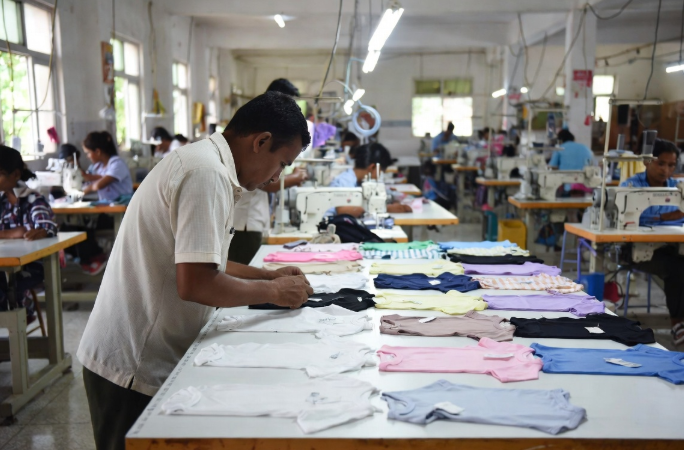
Quality problems in children’s clothing are more than just cosmetic. Can cause safety problems for children, result in customer return, damage brand reputation, and cause expensive rework, or rejection of shipments. When specs, sampling and inspection are not tight, it’s common for these types of issues to show up in bulk orders: from seams opening during play, to garments not being the right size.
It identifies the most common problems in children’s apparel production, including stitching, material, fit, safety, and labeling mistakes, and details effective strategies for preventing these issues, including improved tech packs, QC checkpoints and communication with factories.
How Kidswear Defects Are Classified – Critical, Major, and Minor
Knowing what types of defects a program might have and how to categorize them can help to set appropriate expectations and prioritize fixes. Often factories and brands will work through a system of critical, major and minor defects to come to an understanding regarding what causes rejection versus rework.
Critical Defects in Children’s Garments
Critical defects typically are safety or regulatory concerns and generally would cause a lot failure with a zero tolerance level. Small detachable parts such as buttons, snaps or embellishment which may be a choking hazard, sharp points on hardware, broken needles embedded in garments, or non compliant chemicals and flammability problems on sleepwear are examples.
In addition, missing or incorrect safety warnings are also critical for infants and toddlers. Brands need to make it clear in contracts and tech packs that there is a zero tolerance for needles and that factories need to have needle control programmes and pull tests on all trims.
Major and Minor Defects – Appearance, Fit, and Finish
Significant defects impact customers’ usability, appearance, or durability in some way and are considered defects of major magnitude, such as open seams, large stains, significant shade variation, or measurements that are outside tolerance. Minor defects are less serious such as a few loose threads, or slight misalignment, which does not affect safety or function.
Create specific examples of each of the items in your kidswear quality control checklist. Combine with AQL (Acceptable Quality Limit) sampling plans to let inspectors know when to pass, rework or reject.
Stitching and Construction Defects in Kidswear (and How to Prevent Them)
Children’s clothes are subjected to active use and washable often, which causes a lot of stitching issues to be one of the most common defects during kids clothing manufacturing.
Broken, Skipped, and Uneven Stitches / Open Seams
When stitches are missed, threads are broken, or seams are open, it’s usually due to incorrect machine tension, dull needles, using the wrong type of thread in the specific fabric, or fatigue from the operator. These are more important in children’s clothes around high stress areas such as crotch seams, shoulders and arm holes, where a failure can occur in a matter of moments.
The first step in prevention is to specify the stitches in the tech pack, including the type of stitch used (lock stitch, chain stitch) and the number of stitches per inch (SPI) as well as the allowances. Have pre-production sewing tests, scheduled machine maintenance, and in-line checks immediately following the sewing stations. Training the operators on fabric handling also substantially cut down on mistakes.
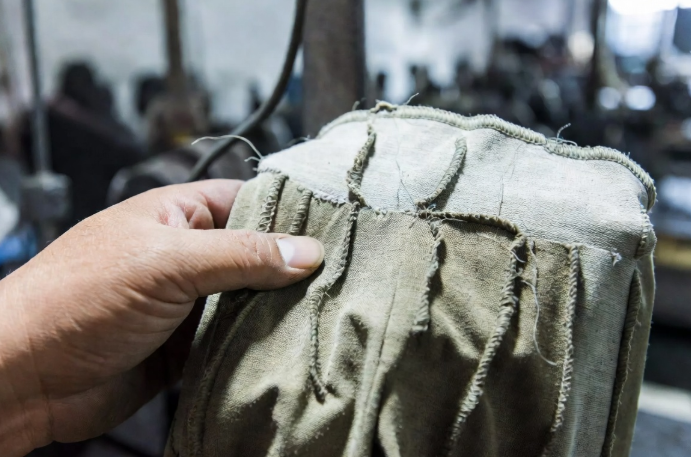
Puckering, Uneven Seams, and Loose Threads
Puckering makes the garment look unprofessional and it doesn’t fit well, extra loose threads do not give a good appearance. The reasons are that the tension is improper for the thread/ fabric or poor finishing trimming.
Use specific seam allowances, stitch lengths and thread sizes in spec. Include finishing points for trimming threads and cleanliness. These are detected at sewing and post-wash stages and are corrected with ‘Inline QC’.
Fabric and Color Defects – From Shade Variation to Holes and Stains
Fabric problems can kill a production run if not identified in the beginning
Shade Variation, Uneven Dyeing, and Print Issues
Misaligned prints or color differences between panels typically occur when mixing rolls of fabric together or the fabric is not properly approved. This becomes more apparent with children’s clothing that features bright characters or patterns.
Ask for fabric lot segregation, approved colour standards / lab dips and strike-off samples prior to bulk printing. Check for variation in cut pieces before sewing to identify problems early on.
Holes, Stains, and Surface Defects in Fabric
Often, small holes, snags, neps or oil stains will occur during knitting/weaving, storage or cutting.
Introduce incoming fabric inspection system with tolerances (e.g., fault point system). Properly store rolls, away from production hazards. Do not accept faulty panels on cut to avoid finished garments with defective panels.
Fit and Sizing Defects Specific to Kidswear
Sizing complaints are irritating for parents and will result in lost repeat business when parents do not receive the size they requested but rather a size the fitter thinks was good.
Measurements Out of Tolerance and Inconsistent Grading
Chest, length, sleeve and neck opening, or crotch rise deviations may be due to pattern inaccuracies or size variations.
Use thorough Points of Measure (POM) charts with tolerances in all tech-packs. Size sets are approved during sampling, and are checked at in-line and final inspections. Monitor data to recognize patterns and make prompt changes to patterns.
Label Size vs Real Fit Problems
Sometimes, a “12M” garment is only a 6M because of faulty pattern grading or the expectations of the fabric to shrink.
Compare to “popular” market styles during the development process; perform actual fit testing on child mannequins or test wearers. Record all changes and test modified patterns before mass cutting.
Safety-Related Defects in Kidswear – Zero-Tolerance Issues
Safety related defects require the most careful attention.
Loose Trims, Small Parts, and Sharp Points
Loose buttons, snaps that are not securely fastened or sharp zipper pulls are hazards for choking or injury.
Encourage small detachable parts to be minimised for under-3s through reinforced bar tacks, pull tests (minimum force standards) and design reviews. Do a thorough inspection of all trims during production.
Needle and Metal Contamination, Hazardous Chemicals, and Mislabeling
Needles in or around trees and metal fragments must be strictly controlled and if possible, be detected by metal detectors. Chemical compliance is the process of verified testing of restricted substances. Make sure there are all the necessary safety labels and instructions.
Labeling, Packaging, and Presentation Defects
Wrong, Missing, or Misplaced Labels
Not complying with the standards for fiber content, care instructions, or size labels cause compliance problems. Kids clothing may be subject to more stringent regulations.
Follow approved placement diagrams and artwork sheets on labels. Add label checking items to final inspection checklists.
Packaging, Folding, and Presentation Problems
Wrong polybag sizes, inadequate folding or missing accessories in sets impact the retailer’s acceptance.
Include packaging requirements in tech packs and add to final QC points.
Building a Kidswear-Specific Quality Control System
Tech Packs, Tolerances, and Defect Checklists
Develop detailed tech packs and POM charts, construction information, trims, approved samples, and a custom defect classification list. This transparency helps to clear up any confusion for factories.
Inline and Final Inspections, AQL, and Root Cause Analysis
Perform inline inspections (sewing, cutting and trimming) along with final AQL-sampled inspections prior to shipment. With a spike in defects, do Root Cause Analysis with the factory to change training, maintenance, or specs, instead of rejecting lots.

Effective prevention is in partnership: clear specifications to start with, joint sampling, and regular feedback loops—reducing common quality problems in the production of children’s wear to a cost-effective risk.