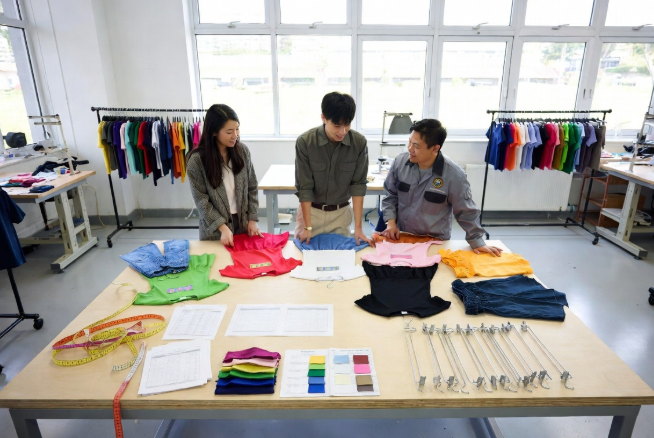
When it comes to finding the right kidswear manufacturer for small batch, it’s very different from sourcing adult wear. The safety rules are more stringent, there are more complex grading between small sizes, and parents are aware of each loose thread or nonmatching snap in children’s clothing. A factory that cares little about your 100-piece order can provide you with late delivery, unsafe trims or even fit that can result in both cash flow loss and brand reputation.
Successful brands don’t engage in a game of “who am I marking down the cheapest on” but rather a “who am I marking down the best on” game. They have a clear idea of what they need, vet for the true compliance abilities, test samples extensively, and select partners that can expand as they expand from the first sample to reliable repeat orders. This guide provides you with a hands on approach to do just that!
Clarify Your Kidswear Brand Needs Before Talking to Factories
A brand that comes equipped with direction is more responsive and provides honest pricing to the factories. There are vague requests such as “we need some kids clothes” which can lead to misunderstandings and high MOQs. Take time at the beginning to establish what it is you truly require.
Product Range, Target Markets, and MOQ Expectations
Begin at the start: Is your product casual day-to-day wear, sleepwear, school uniforms or baby essentials? There are varying weights of fabric, trims and emphasis on safety in each category. Now determine your main markets. CPSIA or REACH requirements are applied to exporting to the US or the EU, and many domestic factories have never encountered these requirements.
Don’t be unrealistic when it comes to volume. If you are going to make 50-150 pieces of this style in the first run, please indicate this. A real small batch kidswear company can assure you that they will not lie about their minimums. Factories willing to take small order are reluctant to prioritize small orders when production commences.
Preparing Basic Tech Packs and Design Information
Even a basic tech pack with just one page is a tremendous help. Add flat sketches and grading for your size range (2T to 8Y or whatever you use), fabric and trim details, colourways and reference photos of your preferred finish. Clear packages result in more accurate quotes and fewer rounds of revisions. When there are a few people who have already been prepared, manufacturers know it is a serious case and worth the small-batch capacity.
Safety and Compliance – Non-Negotiable for Kidswear Factories
Safety is the first filter and not the end result. One recall for lead, phthalates or choking hazards can be the death of a small brand. In the right factory compliance is a routine of production as much as it is additional documentation.
Key Regulations and Certifications to Check
If you sell in the United States, please inquire about lead testing and phthalate testing for CPSIA. REACH compliance and the current list of SVHCs are of relevance for Europe. Followed by the OEKO-TEX Standard 100, textiles and trims are well protected from dangerous substances and this provides wide assurance. If you are running organic or responsibly sourced products, GOTS adds value to your product line.
Never take any terms such as “eco-friendly” or “safe materials” at face value. Ask for recent accredited test results from laboratories (SGS, Intertek, Bureau Veritas) dated with lot numbers. Good factories maintain these on file and can make them easily. A factory that does not include or provides only generic statements is a red flag.
Factory Practices for Child-Safe Trims and Construction
Safety in construction is reflected in daily practices. Buttons and snaps should be firmly in place (lock stitched or backed). There’s no place for small detachable parts on babywear. Many markets ban or limit “drawstrings” on hoods. The size of the zipper pulls needs to be suitable, and they must be free of sharp edges.
On calls or visits, ask: On completed garments, how do you test the security of the trim? What is your process for approving new trims for children’s styles? The answers indicate a procedural or just promised safety.
Evaluating Small-Batch Capability and MOQ Terms
Many of the traditional garment factories are designed for 5,000 pieces runs. They might take a 100-piece order but consider it a low priority and so it may take longer to get to them and less detail will be paid to it. It is important to have a small batch kidswear manufacturer with a system for different, lower volume production.
What “Small-Batch” Really Means in Kidswear Production
For emerging brands, the 50-300-piece limit for small-batch essentially applies to each style, color. Some factories may have monthly capacity dedicated to this market and have a range of stock fabrics and trims to minimise lead times. Inquire into the percentage of children’s wear their company produces and if they have other clients who are producing a comparable amount. If the same answer is received in several conversations, then it’s a genuine ability and not just a wish.
Reading MOQ, Pricing, and Flexibility in Factory Quotes
Pay attention to the structure of the quote. The MOQ may be per style or per colorway, depending on the factory. Prices usually drop at higher tiers (300 pcs, 500 pcs, 1,000 pcs). Be aware of hidden surcharges for complex styles, embroidery or special trims. Standard sample fees are $80-$150 per set sample, depending on the complexity.
Some questions that are good are “Can MOQ be adjusted for a first order if we agree to a second style?” and “How much can unit prices be lowered if we increase quantities in repeat orders?” The answers are often vague and vague and ever-changing, indicating that the factory has yet to really systemise small batch production.
Assessing Sampling Quality and Communication Style
Your most crucial preview is sampling. A good partner treats the sample like they do the bulk production. If the sample is poor quality, it is a strong indication of trouble ahead.
What to Look for in Kidswear Samples
Check for uniformity of stitching and strength of seams, particularly at areas of stress such as shoulder joins and crotch seams. Ensure that proportions and fit are suitable throughout the entire spectrum of sizes — from toddlers to older children have very different body shapes. Print/embroidery should be on target and colors should correspond to your approved color palette. Other brands don’t take fabric hand feel and shrinking after laundry as seriously as they should.
The most basic test is to get honest children in your chosen age group to test them out and move around in them. Wash the garments a couple of times and recheck measurements and appearance. Practical feedback is a sign of confidence in production in the factories that promote it.
Testing Factory Communication During the Sampling Phase
The way a factory communicates in sampling relates to its behavior during bulk. Responsive factories respond to questions within 24 – 48 hours with clear and specific responses. They warn of possible problems in production (“this seam construction may pucker this fabric”) and make recommendations for improvements.
Red flags: repeated misunderstandings of your comments, unheard comments in tech pack or surprise material availability at the last minute. If it’s tough to communicate in the sample, it will be even tougher when it’s on the money and the deadlines are close.
Factory Capability, Quality Systems, and Production Workflow
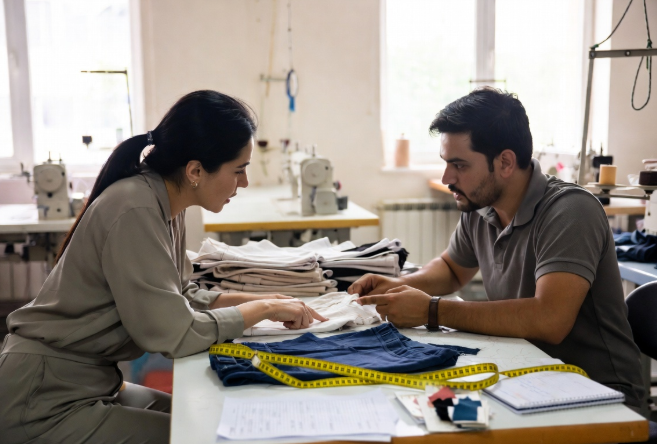
In addition to a price, the infrastructure and the process discipline are important. A factory, in good machines and checkpoints, will provide more consistent small-batch results.
Kidswear-Specific Experience and Machinery Setup
Kidswear may have lighter knits, smaller pattern pieces and more size variations than adult lines. Factories that have experience in children’s wear are likely to have the correct setup of machines (such as smaller cylinder beds, cover stitch machines for knits) and employees who know how to build children’s wear. Ask them what proportion of their production is for kidswear or babywear and ask to see some recent, similar types of products they have produced.
In-House Quality Control and Inspection Steps
Good factories have well documented QC in different phases such as fabric inspection at arrival, in-line inspection during sewing and assembly and final inspection with clear AQL standard. Among children’s wear, metal detection or needle detection is popular, particularly with baby products. Ask for some examples of their QC checklist or pictures of their most recent final inspection. The systematic records of factories that can catch issues before shipment are far more likely.
Practical Budget, Lead Time, and Risk Management for Small Brands
The production of smaller runs tends to be more expensive, per unit, than larger production runs, but there is less risk of inventory and the ability to see how designs perform in the real market. Consider landed cost and reliability, not the lowest cost per unit.
Typical Lead Times and Production Schedules for Kidswear
Approved sample to bulk delivery, 6-10 weeks depending on fabric sourcing and factory load. Include shipping and customs time. Timelines can be extended during seasonals (back to school, holiday). Ensure that there are buffers and verify current workload prior to ordering.
Balancing Unit Cost vs. Quality and Compliance
When looking for the best possible price, a lot of times people take the path of lowest testing, trims or supervision. Brands with a little more price for improved communication and verified compliance typically experience lower returns, more positive reviews and fewer re-orders. A practical way to do this is to begin with one style or a small capsule collection, send the initial order as a kind of trial, and then scale up with factories that perform well.
Selection Checklist and Questions to Ask Kidswear Manufacturers
Refer to this checklist while shortlisting factories. Print it out and take it with you to calls or visits.
Factory Screening Checklist for Small-Batch Kidswear
- This is the perfect Factory Screening Checklist for small batch kidswear.
- Previous experience in making children’s or baby’s clothing in the past year
- Can supply the latest test report for CPSIA, REACH or OEKO-TEX by lot.
- Provides realistic MOQs (as low as 300 pcs per style) and clear tier pricing.
- Demonstrates thoughtful sampling approach, and openness to feedback for revision
- Has written QC procedures and is able to provide a copy of the last inspection history
- Clearly, communicates effectively in English (or preferred language) with minimal misunderstanding in the communication process
Key Questions to Ask During Calls and Visits
- How much of your current sales do you make on children’s clothing?
- What is the process for your new styles to get safety tested and certified?
- Does it have any typical MOQs and sampling fees for new brands?
- Can you explain to me your entire sampling and QC process, and provide me with some example?
- Are you able to provide some references from other kidswear clients who are running similar volumes?
Pay attention to how specifically they answer. Consistent, detailed answers are a good positive indicator. Too vague or evasive answers are not.
Closing Guidance – Building Long-Term Partnerships, Not One-Off Orders
The top kidswear manufacturers for small batch production are those that have the same safety, quality and communication ideals as you, and can expand with your brand. Consider the initial orders and sampling rounds as the beginning of a partnership, not the end.
Record what you learned from each factory experience. Maintain documentation of sample assessments and communication proficiency. In the course of time you will establish a short, reliable supplier list as opposed to continually beginning with new factories. That uniformity will help keep your margins, your customers, and your reputation intact as your business grows.